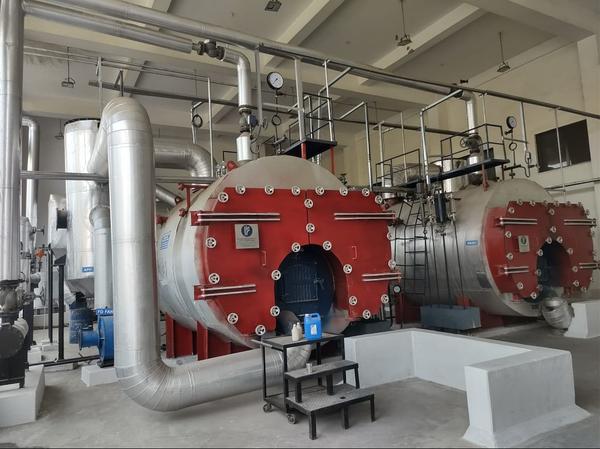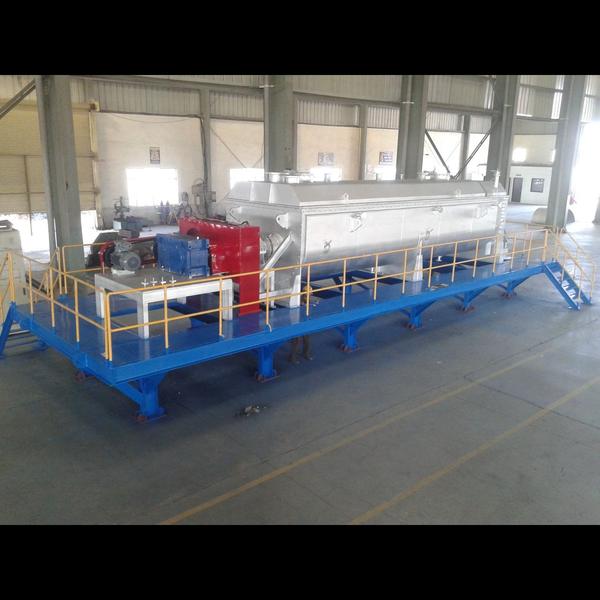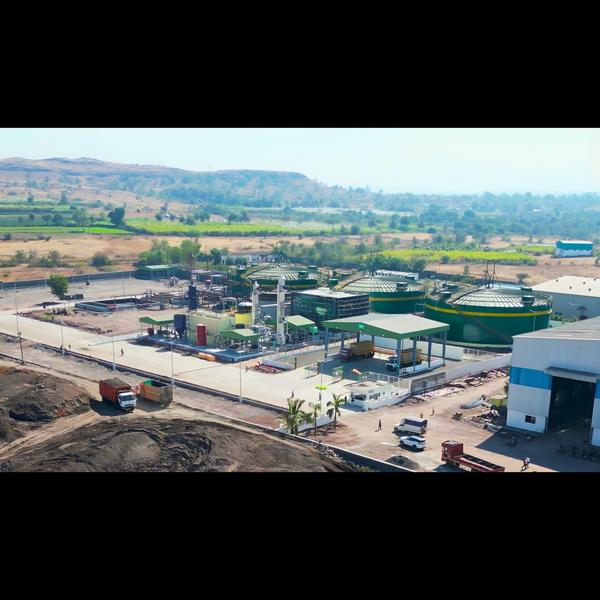

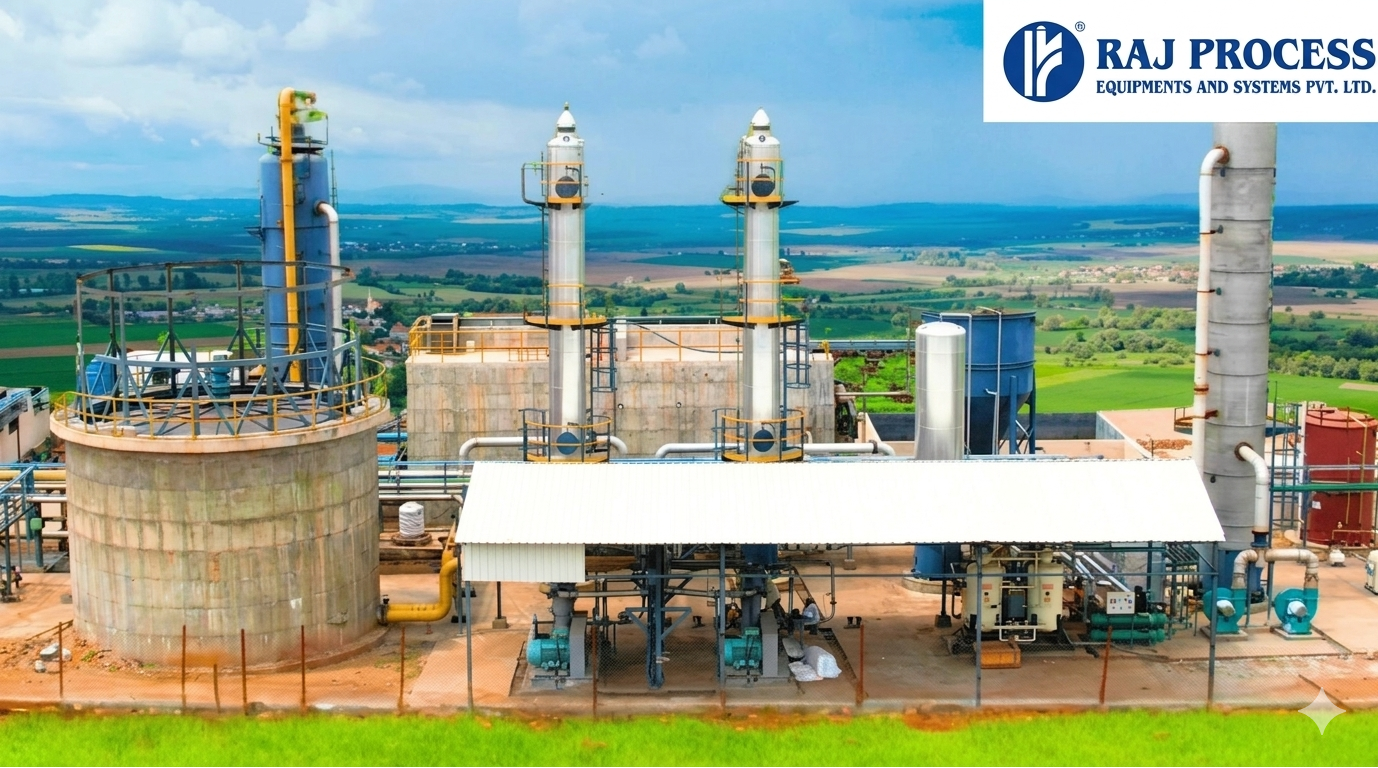
For a sugar factory, a Compressed Biogas (CBG) Plant is not just a waste management tool—it is a "Bio-Refinery" that turns two major waste streams into a high-value revenue source.
At Raj Process, we specialize in integrating these plants directly into the sugar mill ecosystem, creating a circular economy that significantly boosts the factory's bottom line.
1. How Sugar Factories Generate CBG from Waste
Sugar mills produce two primary "waste" materials that are goldmines for biogas production: Press Mud (Filter Cake) and Distillery Spent Wash.
A. Press Mud: The Solid Powerhouse
Press mud is the residue left after the purification of sugarcane juice. For every 100 tons of cane crushed, about 3 to 4 tons of press mud are generated.
The Process: Press mud is rich in organic matter (50–60%) but has a high wax content. Raj Process uses specialized Pre-treatment Hydrolysis to break down these waxes, making the organic matter easily digestible for the bacteria.
B. Spent Wash: The Liquid Fuel
If the sugar mill has an attached distillery, it produces "spent wash"—a high-COD (Chemical Oxygen Demand) liquid.
The Process: We use CSTR (Continuous Stirred-Tank Reactors) to co-digest press mud with spent wash. The liquid spent wash provides the necessary moisture for the press mud, eliminating the need for fresh water and increasing the methane yield by up to 20%.
2. Step-by-Step Conversion: Cane Waste to Green Fuel
Feedstock Homogenization: Press mud is mixed with water or spent wash in a mixing tank to create a uniform slurry (8–12% Total Solids).
Anaerobic Digestion: The slurry is pumped into our large-scale Biogas Digesters. Here, in the absence of oxygen, methanogenic bacteria ferment the waste over 20–30 days, releasing raw biogas.
H2S & Moisture Removal: Raw biogas from sugar waste is high in Hydrogen Sulphide ($H_2S$), which is corrosive. Our scrubbers reduce $H_2S$ to <5 ppm to protect your engines.
CO2 Scrubbing (Upgradation): Using Pressure Swing Adsorption (PSA) or Membrane technology, we strip away the Carbon Dioxide to achieve 96%+ Methane purity.
Compression: The final gas is compressed to 200 bar and filled into cascades for sale as Bio-CNG.
3. Financial & Operational Benefits for Sugar Mills
| Feature | Impact on Sugar Factory |
| New Revenue Stream | Sale of CBG to OMCs (Oil Marketing Companies) under the SATAT scheme. |
| By-product Sales | Conversion of digestate into FOM (Fermented Organic Manure) for sale to farmers. |
| Zero Waste | Solves the problem of press mud accumulation and spent wash disposal. |
| Energy Autonomy | Use CBG to power factory vehicles or supplement boiler fuel during off-season. |
4. Why Raj Process for Sugar Sector Integration?
Integrating a CBG plant into a running sugar mill requires precise engineering to avoid disrupting the main production line. Raj Process offers:
Co-Digestion Expertise: We optimize the ratio of press mud, spent wash, and cane trash to ensure stable gas production year-round.
High Methane Yield: Our digester designs prevent "dead zones," ensuring 98% of the organic potential is converted to gas.
Compliance Support: We help sugar mills meet CPCB (Central Pollution Control Board) norms for Zero Liquid Discharge (ZLD) through our integrated waste treatment.
Find the video how CBG plant workshttps://youtu.be/GiQkebtW9eI?si=yBr-t4SgegK5Wgpt