Kampala
08048032974

Products

6814772a5d263414004dd4a4 Card 2

product image
Sugar and Biofuel Industry

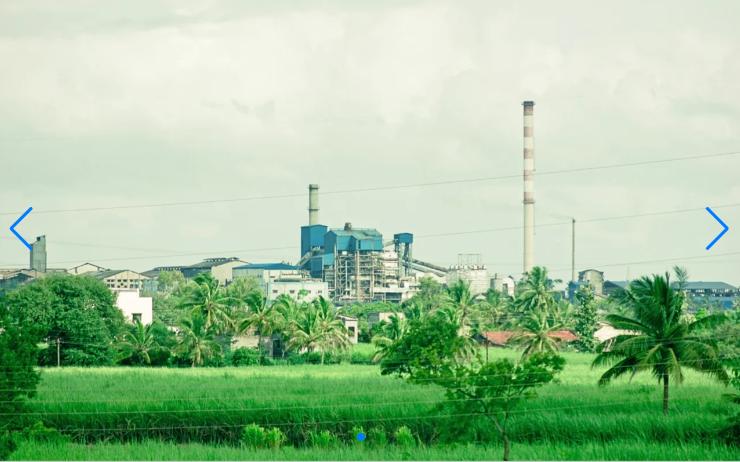
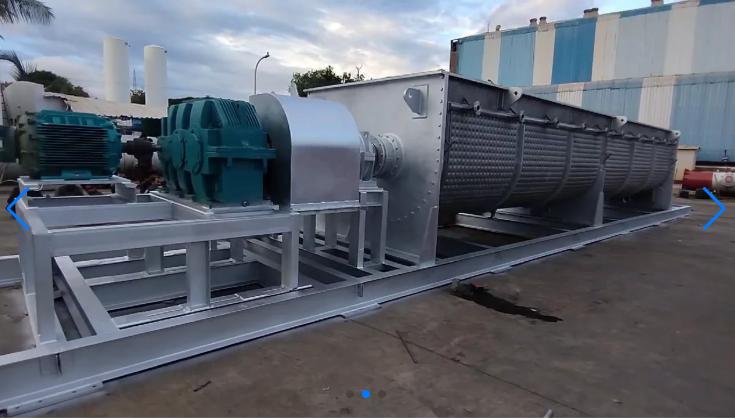
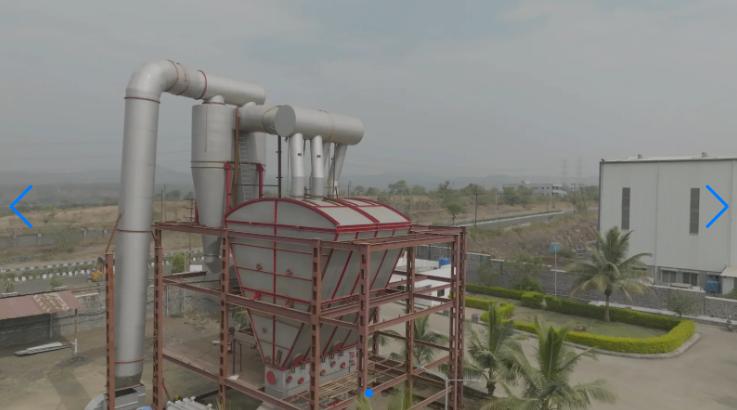
In the industrial landscape of 2026, waste is no longer a liability—it is a raw material. As global agriculture shifts toward organic and sustainable inputs, the demand for uniform, nutrient-rich granules has skyrocketed. However, many industries, particularly distilleries and sugar mills, face the challenge of handling fine, dusty by-products like Spentwash Powder and Press-mud. Raj Process Equipments & Systems Pvt. Ltd. provides the definitive solution with our Advanced Industrial Granulation Plants. We specialize in “Value Engineering,“ taking low-value powders and transforming them into free-flowing, easy-to-handle, and highly marketable granules. With five state-of-the-art manufacturing facilities and a legacy of process innovation, Raj Process is helping industries achieve Zero Waste while creating new revenue streams in the bio-fertilizer sector. What is Industrial Granulation? Granulation is the process of particle enlargement, where small particles or powders are gathered into larger, permanent aggregates. For industrial by-products, this is essential for: Improved Flowability: Fine powders often clog machinery and are difficult to transport. Granules flow easily through industrial dispensers and agricultural seed drills. Controlled Release: In fertilizers, granules ensure that nutrients are released slowly into the soil, preventing “nutrient leaching.“ Dust Reduction: Eliminating fine dust reduces respiratory hazards for workers and prevents material loss due to wind during field application. The Raj Process Technical Advantage At Raj Process, we don't believe in “one-size-fits-all.“ Our granulation plants are engineered based on the specific chemical and physical properties of your feedstock. 1. High-Precision Pan & Drum Granulators Depending on the required throughput, we offer high-efficiency Disc (Pan) Granulators for precision size control and Rotary Drum Granulators for massive industrial volumes. Custom Scrapers: Our systems feature adjustable scrapers to prevent material buildup, ensuring a smooth, continuous process. 2. Advanced Moisture & Binder Management The “secret“ to perfect granules lies in the binder-to-powder ratio. Our automated dosing systems precisely inject water or organic binders (such as molasses) to create strong, spherical granules that don't crumble during transport. 3. Integrated Energy-Efficient Drying Freshly formed “green“ granules contain moisture that must be removed. We integrate Fluid Bed Dryers (FBD) or Rotary Dryers that utilize waste heat from your existing boilers, drastically reducing operational costs (OPEX). Major Applications – Turning Waste into Gold 1. Press-Mud Granulation (Sugar Industry) Press-mud is a bulky, smelly waste. Raj Process transforms this into Bio-Fertilizer Granules rich in organic carbon. These granules are a direct substitute for chemical fertilizers, commanding high market prices. 2. Spentwash / Potash Powder Granulation (Distilleries) For distilleries using our Spentwash Dryers, the resulting potash powder is often too fine for direct use. Our granulation plants turn this powder into Potash-Rich Pellets, which are essential for increasing crop yields in fruit and vegetable farming. 3. Chemical & Specialty Fertilizer Granulation We provide customized lines for NPK (Nitrogen, Phosphorus, Potassium) blending and granulation, enabling chemical plants to produce specialized nutrient “cocktails“ for precision farming. Why Partner with Raj Process? 1. Proven Global Installations: We have successfully commissioned large-scale granulation units for some of the world’s leading sugar and chemical groups. Our experience ensures that your plant reaches its rated capacity on day one. 2. Compact & Modular Layouts: Space is often a constraint in existing factories. Our engineering team specializes in “Compact Layout Design,“ fitting high-capacity granulation lines into your existing floor plan with minimal civil work. 3. Low Maintenance, High Uptime: By using high-grade, wear-resistant materials and automated lubrication systems, we reduce maintenance downtime by up to 40% compared to conventional plants. 4. End-to-End EPC Services: From the initial lab-scale granulation test of your powder to the final automatic bagging and palletizing unit, Raj Process handles it all.

6814772a5d263414004dd4a4 Card 2

product image
Sugar and Biofuel Industry

Sustainable Wax Extraction from Sugar Industry By-Products Raj Process Equipments & Systems Pvt. Ltd. is a leading name among wax from pressmud plant manufacturers in India, offering turnkey solutions that transform sugar industry waste into valuable resources. Our advanced wax extraction plants recover natural wax from pressmud (filter cake), a by-product of sugarcane processing, and convert it into commercially usable material for diverse industries. By turning waste into wealth, Raj Process supports circular economy principles, reduces environmental burdens, and creates new revenue streams for sugar mills. What is Pressmud and Why Extract Wax? Pressmud, also known as filter cake, is the residue left after sugarcane juice filtration. It contains fibers, soil, sugars, and impurities—along with a significant amount of natural wax. Extracting wax from pressmud: Reduces waste volume and landfill burden Adds economic value by creating a marketable product Supports sustainability by recycling industrial by-products How Wax is Extracted 1.Filtration & Drying → Pressmud is dried and prepared for extraction. 2.Solvent Extraction → Organic solvents dissolve wax, separating it from impurities. 3.Purification → Crude wax is refined to remove residual matter, ensuring high-quality output. This process preserves the natural qualities of wax, making it suitable for commercial applications. Applications of Wax from Pressmud Cosmetics → Base or additive in creams, lotions, lip balms Pharmaceuticals → Used in ointments and medicinal formulations Polishes & Coatings → For wood, leather, and surface protection Industrial Uses → Additive in rubber, plastics, and manufacturing processes Why Wax Extraction Matters Waste Reduction → Minimizes solid waste from sugar mills Resource Efficiency → Converts low-value residue into high-demand products Economic Benefit → Creates new revenue streams for sugar producers Sustainability → Promotes recycling and circular economy practices Challenges & Future Potential Processing Costs → Investment in equipment and solvents required Quality Control → Consistency in wax quality is essential for market acceptance With ongoing technological advancements, these challenges are being addressed, making wax recovery from pressmud increasingly viable and profitable. Why Choose Raj Process Equipments? Decades of expertise in industrial extraction technologies Proven large-scale installations across India and abroad Customized solutions tailored to plant capacity and feedstock Advanced automation for reliable, energy-efficient operations Commitment to sustainability and resource recovery

6814772a5d263414004dd4a4 Card 2

product image
Sugar and Biofuel Industry

Raj Process Equipments & Systems Pvt. Ltd. is a leading isobutanol plant manufacturer in India, delivering turnkey solutions for isobutanol production, purification, and integration into fuel systems. With India’s push toward Bharat Stage VI emission norms and cleaner mobility, isobutanol is emerging as a promising alternative fuel blend—especially for diesel engines. Why Iso-Butanol? Iso-butanol (a C4 alcohol) can be produced from biomass feedstocks, petrochemical routes, or advanced bioprocesses. Compared with ethanol, it offers: Higher heating value → Better energy density Lower hygroscopicity → Improved storage and transport stability Superior miscibility → Compatible blending with hydrocarbon fuels Pipeline transport potential → Easier integration into existing fuel infrastructure Iso-Butanol in Diesel Blends Engine studies show that blending iso-butanol with diesel—combined with exhaust gas recirculation (EGR) and calibrated injection timing—can: Cut NOₓ emissions significantly (up to 40% reduction) Reduce smoke opacity to near-zero levels Maintain engine compatibility with only modest efficiency penalties India is currently piloting 10% iso-butanol–diesel blends through ARAI trials, with government support for scaling up if successful. Turnkey Isobutanol Plant Solutions by Raj Process Conceptual Design & Engineering → Feedstock studies, process optimization Customized Production Systems → Biomass-based, petrochemical, or hybrid routes In-House Manufacturing → Precision-built equipment at advanced facilities Automation & Process Control → PLC/SCADA-based monitoring for safe, efficient operations Installation, Commissioning & Training → End-to-end project execution Applications of Isobutanol Fuel Blending → Diesel and gasoline blends for reduced emissions Green Mobility → Cleaner fuels for heavy-duty fleets and industrial gensets Chemical Feedstock → Used in solvents, coatings, and specialty chemicals Industrial Integration → Compatible with refineries and biofuel plants Comparative Fuel Options Option Strengths Challenges Status in India Biodiesel (FAME) Renewable, blends B5–B20 common Cold-flow/storage issues, NOₓ rise Limited blends in use HVO (Renewable Diesel) Drop-in quality, excellent combustion Cost & supply constraints Pilot stage Ethanol (Diesel) Cheap, abundant Poor miscibility with diesel Not pursued Iso-Butanol (Diesel) Cuts NOₓ & soot, better miscibility Slight efficiency penalty, higher CO/HC Pilots underway Why Choose Raj Process for Isobutanol Plants Turnkey Expertise → From concept to commissioning Feedstock Flexibility → Bagasse, bamboo, corn residues, petrochemical routes Proven Engineering → Advanced automation and large-scale installations Sustainability Focus → Supporting India’s clean fuel transition Global Reach → Serving clients across India, Southeast Asia, Africa, and South America The Verdict Iso-butanol is technically feasible, environmentally promising, and commercially emerging in India. With strong government backing, ongoing ARAI trials, and proven emission reductions, it is poised to become a transitional clean fuel—especially for heavy-duty fleets and industrial applications. Raj Process Equipments stands ready to deliver future-ready isobutanol plants, helping industries align with BS-VI norms, sustainability goals, and circular economy principles.

6814772a5d263414004dd4a4 Card 2

product image
Sugar and Biofuel Industry

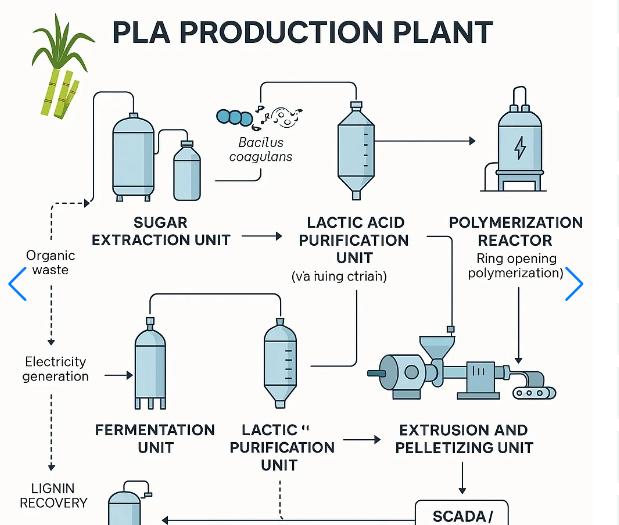
Raj Process Equipments & Systems Pvt. Ltd. is a leading PLA polylactic acid plant manufacturer in India, offering turnkey solutions that convert renewable sugarcane feedstock into biodegradable plastics. With growing demand for eco-friendly materials, our PLA plants help industries transition from petroleum-based plastics to sustainable, bio-based alternatives. What is PLA and Why Sugarcane? Polylactic Acid (PLA) is a biodegradable polymer produced by fermenting sugars into lactic acid, which is then polymerized into plastic. Sugarcane is an ideal feedstock because it is: Abundant & fast-growing → Rich in sucrose for fermentation Renewable → Reduces reliance on fossil fuels Low-carbon → Captures CO₂ during cultivation, lowering overall footprint Sugarcane-based PLA offers strength and versatility comparable to conventional plastics, while being biodegradable under industrial composting conditions. PLA Production Process 1.Sugar Extraction → Juice extracted from sugarcane stalks provides fermentable sugars. 2.Fermentation → Microbes convert sugars into lactic acid. 3.Polymerization → Lactic acid is purified and polymerized into PLA. 4.Processing → PLA is molded or extruded into films, fibers, packaging, and other products. Each step is engineered for high purity and consistent quality, ensuring PLA meets industrial performance standards. Benefits of Sugarcane-Based PLA Renewable & Sustainable → Derived from plant sugars Biodegradable → Breaks down into water and CO₂ under composting conditions Lower Greenhouse Gas Emissions → Smaller carbon footprint compared to petro-plastics Versatile Applications → Packaging, disposable cutlery, textiles, medical implants, and more Challenges & Considerations Agricultural Impact → Sustainable sugarcane cultivation is essential to avoid land-use conflicts Composting Infrastructure → PLA requires industrial composting facilities for efficient degradation Cost Competitiveness → Bioplastics can be more expensive, though costs are decreasing with scale and innovation Looking Ahead With rising environmental concerns, bio-based plastics like PLA are becoming increasingly important. Advances in fermentation technology, microbial engineering, and sustainable agriculture are making sugarcane-derived PLA more efficient and affordable. By integrating renewable resources into the plastic supply chain, industries can move toward a circular economy where materials are reused and waste is minimized. Why Choose Raj Process Equipments? Expertise in biopolymer plant design and manufacturing Proven large-scale installations across India and abroad Customized solutions tailored to feedstock and capacity requirements Advanced automation for reliable, energy-efficient operations Commitment to sustainability and circular economy principles

6814772a5d263414004dd4a4 Card 2

product image
Sugar and Biofuel Industry

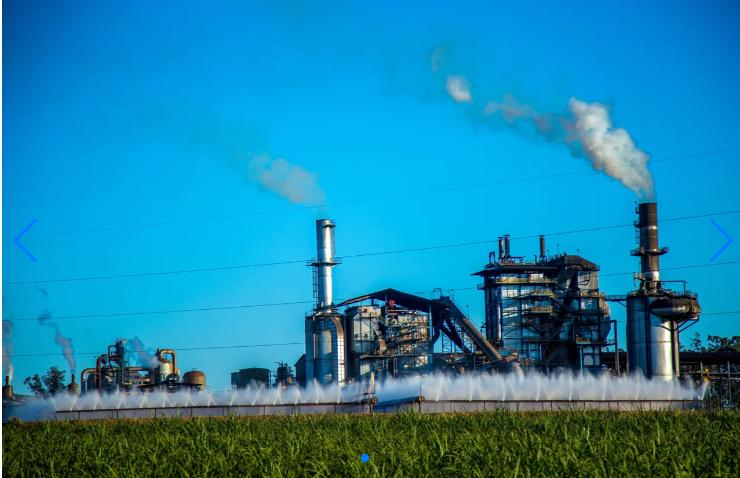
Raj Process Equipments & Systems Pvt. Ltd. is a trusted leader among sustainable aviation fuel (SAF) plant manufacturers in India, offering turnkey solutions that convert renewable feedstocks like sugarcane into drop-in aviation fuels. Our advanced SAF plants help airlines and aviation stakeholders reduce greenhouse gas emissions while meeting strict international fuel standards—without requiring modifications to aircraft or fueling infrastructure. Why Sugarcane for Sustainable Aviation Fuel? High Efficiency Crop → Sugarcane produces large amounts of fermentable sugars per hectare. Renewable & Low-Carbon → Unlike fossil fuels, sugarcane-based fuels cycle carbon naturally, reducing net emissions. Scalable Production → Favorable climates and established agricultural infrastructure make sugarcane practical for large-scale SAF production. How SAF is Made from Sugarcane 1.Sugar Extraction → Juice pressed from sugarcane stalks provides fermentable sugars. 2.Fermentation → Specialized microbes convert sugars into bioethanol or intermediates. 3.Conversion → Bioethanol undergoes dehydration and catalytic upgrading into hydrocarbons compatible with jet engines. 4.Blending & Certification → Final product blended with conventional jet fuel and tested to meet aviation standards. This process produces drop-in fuels that seamlessly integrate into existing aviation systems. Benefits of Sugarcane-Based SAF Reduced Carbon Emissions → Life cycle assessments show up to 70–80% lower emissions compared to fossil jet fuels. Renewable Feedstock → Supports transition away from finite fossil resources. Economic Development → Creates jobs and investment opportunities in rural agricultural regions. Compatibility → Meets international aviation standards for immediate adoption. Challenges & Considerations Land Use & Sustainability → Expansion must avoid conflicts with food production and biodiversity. Production Costs → SAF is currently more expensive than fossil jet fuel, though costs are declining with scale. Infrastructure & Policy → Adoption depends on supportive regulations, incentives, and airport infrastructure. The Path Forward Ongoing research and commercial efforts are improving the efficiency and cost-effectiveness of sugarcane-to-SAF conversion. Advances in biotechnology, process engineering, and feedstock management are helping optimize yields and environmental performance. As the aviation sector moves toward net-zero emissions, sugarcane-based SAF offers a scalable, sustainable pathway to greener skies, balancing air travel demand with global sustainability goals. Why Choose Raj Process Equipments? Expertise in biofuel and SAF plant design Proven large-scale installations across India and abroad Customized turnkey solutions from concept to commissioning Advanced automation for reliable, energy-efficient operations Commitment to sustainability and circular economy principles

6814772a5d263414004dd4a4 Card 2

product image
Sugar and Biofuel Industry

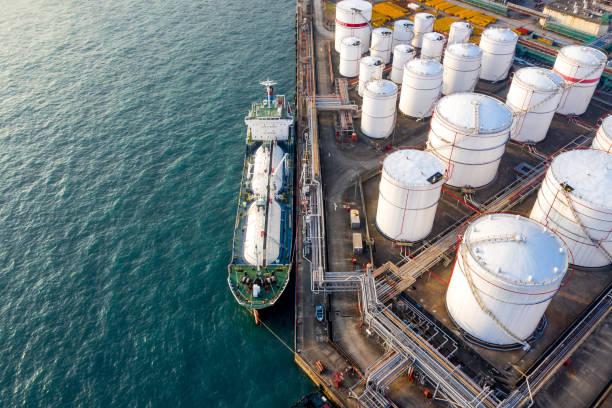
Raj Process Equipments & Systems Pvt. Ltd. is a leading sustainable marine fuel plant manufacturer in India, offering turnkey solutions that convert renewable feedstocks like sugarcane into bio-based marine fuels. Our advanced systems help the shipping industry transition away from heavy fuel oils, reducing greenhouse gas emissions and marine pollution while ensuring compatibility with existing ship engines and infrastructure. Why Sugarcane for Marine Fuel? High-Yield Renewable Crop → Produces abundant fermentable sugars for biofuel production. Low-Carbon Footprint → Sugarcane-based fuels recycle carbon naturally, unlike fossil fuels. Economic Development → Supports rural economies through job creation and agricultural growth. How Sugarcane-Based Marine Fuel is Produced 1.Extraction & Fermentation → Sugars from sugarcane juice are fermented into bioethanol or intermediates. 2.Upgrading to Marine Fuel → Bioethanol undergoes hydroprocessing or catalytic conversion to meet marine fuel specifications. 3.Blending → Bio-based fuels are blended with conventional marine fuels for seamless adoption. This process yields fuels that reduce SOx, NOx, and particulate matter emissions, making shipping cleaner and more sustainable. Benefits of Sugarcane-Based Marine Fuel Lower Carbon Footprint → Significant greenhouse gas reductions compared to bunker fuels. Cleaner Combustion → Reduced sulfur and particulate emissions improve marine air quality. Compatibility → Works with existing ship engines and fuel systems with minimal modification. Sustainability → Supports circular economy principles and reduces reliance on fossil reserves. Challenges & Considerations Feedstock Supply → Sustainable sugarcane cultivation must avoid conflicts with food production and biodiversity. Fuel Cost & Infrastructure → Higher production costs and need for distribution infrastructure. Regulatory Support → Adoption depends on strong policies, incentives, and maritime emission standards. The Future of Marine Fuels With stricter maritime emission regulations and global decarbonization goals, sustainable marine fuels from sugarcane are becoming increasingly vital. Advances in biotechnology, conversion processes, and supply chain logistics are making these fuels more cost-effective and scalable. Investing in sugarcane-based marine fuels aligns economic growth with environmental stewardship, helping the shipping sector sail toward a greener, cleaner future. Why Choose Raj Process Equipments? Expertise in biofuel and marine fuel plant design Proven large-scale installations across India and abroad Customized turnkey solutions from concept to commissioning Advanced automation for reliable, energy-efficient operations Commitment to sustainability and circular economy principles

6814772a5d263414004dd4a4 Card 2

product image
Effluent Treatment Plant

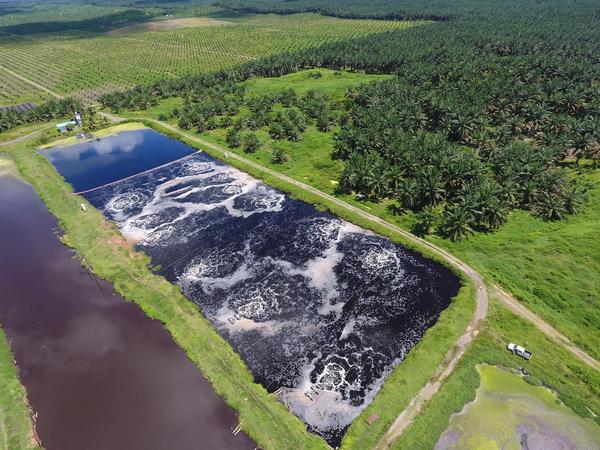
Raj Process Equipments & Systems Pvt. Ltd. is one of the leading Zero Liquid Discharge (ZLD) plant manufacturers in India, delivering turnkey solutions to treat, recycle, and recover industrial wastewater. Our ZLD plants ensure 100% wastewater recovery, enabling industries to comply with environmental regulations while optimizing resources and supporting sustainable operations. What is Zero Liquid Discharge (ZLD)? ZLD is an advanced wastewater treatment process where effluent streams are treated, purified, and reused—ensuring no liquid waste is discharged into the environment. It provides a closed-loop solution, converting wastewater into reusable water and recovering valuable by-products such as salts and chemicals. Industries face increasing pressure from water scarcity, pollution control norms, and sustainability mandates. ZLD systems help meet these challenges while reducing environmental impact. Turnkey ZLD Plant Solutions by Raj Process Raj Process offers custom-engineered ZLD solutions for: Distilleries & Ethanol Plants Sugar Mills Pharmaceuticals & Chemicals Textiles & Dyeing Units Food & Beverage Processing Palm Oil Mills (POME) Power Plants & Refineries Key Process Flow 1.Collection & Flash Mixing → Effluent collected and treated with alum, lime, and polyelectrolytes. 2.Flocculation & Clarification → Suspended solids removed via flocculation tanks and settlers. 3.Evaporation & Concentration → Multiple Effect Evaporators (MEE) concentrate dissolved solids; vapors condensed into reusable water. 4.Crystallization & Drying → Salts crystallized and dried for reuse or safe disposal. Raj Process ZLD Technology Advantages Handles diverse effluents: spent wash, POME, textile dye waste, RO rejects, pharma effluents, etc. Advanced separation systems: evaporation, crystallization, membrane filtration. Compact modular design: skid-mounted units up to 1,000 KLD. Integrated process control: PLC/SCADA automation for safe, optimized operations. High recovery rates: up to 95–98% water recovery. Custom-tailored solutions for industry-specific effluent profiles. Specialized ZLD Solutions 1. ZLD for Spent Wash Drying (Distilleries & Ethanol Plants) MEE concentrates spent wash Spray/rotary dryers achieve complete drying Condensate reused in fermentation or utilities Meets CPCB & SPCB norms 2. ZLD for POME (Palm Oil Mill Effluent) Biological treatment + MEE for volume reduction High-quality water recovered for milling reuse Residual organics converted into biogas for captive power 3. Sludge Dryer Integration Paddle, rotary, or flash dryers reduce sludge volume by up to 80% Generates solid, dry sludge for safe disposal or reuse Features of Raj Process ZLD Plants Capacities: 1 KLD to 10,000 KLD High steam & power economy with energy recovery systems Compact footprint for space-limited facilities Robust construction: stainless steel, duplex steel, Inconel, Hastelloy Skid-mounted options for easy transport and installation PLC-controlled automation with real-time monitoring Pure condensate recovery for direct reuse Benefits of Choosing Raj Process ZLD Plants Regulatory Compliance → Meets CPCB, SPCB, and global environmental guidelines Water Reuse → Saves up to 95% freshwater consumption Cost Savings → Reduced waste management and landfill costs Energy Integration → Reuse of recovered heat and water Resource Recovery → Generates reusable salts and by-products Sustainable Operations → Supports net-zero and circular economy goals Industries We Serve Distilleries & Ethanol Plants Palm Oil Mills (POME treatment) Pharmaceuticals & Chemicals Textiles & Dyeing Units Food & Beverage Processing Power Plants & Refineries

6814772a5d263414004dd4a4 Card 2

product image
Effluent Treatment Plants

Raj Process Equipments & Systems Pvt. Ltd. is a leading POME treatment plant manufacturer in India, offering turnkey solutions to manage, recycle, and valorize palm oil mill effluent. Our advanced technologies not only ensure compliance with environmental norms but also convert waste into valuable resources such as animal feed, biogas, and reusable water. Why Treat Palm Oil Mill Effluent? Palm Oil Mill Effluent (POME) is a high-strength wastewater rich in organic matter. If discharged untreated, it can cause severe water pollution and greenhouse gas emissions. With increasing sustainability mandates, industries are turning to integrated POME treatment systems that recover energy, nutrients, and water while minimizing environmental impact. Case 1: POME Treatment via Tricanter, Evaporation & Paddle Drying for Animal Feed Tricanter Separation → Centrifugal separation into oil, water, and solids (sludge). Evaporation → Clarified liquid concentrated to reduce moisture. EFB Press Effluent Addition → Enhances nutrient levels in concentrated slurry. Sludge Handling → Organic-rich sludge mixed with concentrated effluent. Drying & Granulation → Paddle dryer removes moisture; granulated product becomes nutrient-rich animal feed. Outcome: Efficient treatment with residue valorization into sustainable feedstock. Case 2: POME Treatment with Biogas Generation & Spray Drying for Animal Feed Initial Separation → Tricanter separates solids and liquids. Bio Digester → Anaerobic microbes break down organics, producing biogas. Biogas Utilization → Purified into CNG or converted into electricity for captive use. Evaporation & ATFE → Effluent concentrated using evaporators and Agitated Thin Film Evaporators. Spray Drying & Granulation → Produces fine powder, granulated into consistent animal feed. Outcome: Comprehensive solution combining renewable energy generation with animal feed production. Features of Raj Process POME Treatment Plants Custom-Engineered Solutions → Tailored for palm oil mills and agro-industries. Resource Recovery → Converts waste into biogas, animal feed, and reusable water. Energy Integration → Biogas used for captive power or CNG conversion. Automation & Control → PLC/SCADA-based monitoring for safe, efficient operations. Sustainability Focus → Supports circular economy and zero-waste goals. Benefits of Choosing Raj Process POME Treatment Plants Environmental Compliance → Meets CPCB, SPCB, and global emission norms. Waste Valorization → Converts effluent into valuable by-products. Cost Savings → Reduces waste disposal costs and generates renewable energy. Sustainable Operations → Minimizes environmental footprint and supports net-zero goals. Why Raj Process Equipments? Decades of expertise in industrial effluent treatment Proven large-scale installations across India and abroad Turnkey solutions from concept to commissioning Advanced automation for reliable, energy-efficient performance Commitment to sustainability and circular economy principles

6814772a5d263414004dd4a4 Card 2

product image
Food processing plant

Raj Process Equipments & Systems Pvt. Ltd. is one of the leading starch and liquid glucose plant manufacturers in India, offering turnkey solutions and custom-designed equipment for starch extraction, processing, and glucose production. With decades of expertise and advanced engineering capabilities, we deliver world-class manufacturing plants for native starch, modified starch, and liquid glucose derived from diverse raw materials. What We Offer 1. Native Starch Manufacturing Plants Designed to extract starch from maize, cassava/tapioca, potato, wheat, and rice using energy-efficient, high-recovery technologies. Applications: Food & beverages Pharmaceuticals Paper & packaging Textiles Adhesives & chemicals 2. Modified Starch Manufacturing Plants Produced by altering native starch properties through physical, chemical, or enzymatic treatments. Key Features: Customizable processes based on pH, temperature, and additives High-quality modified starch for specialized applications Applications: Food thickeners & stabilizers Biodegradable packaging materials Pharmaceuticals & nutraceuticals Textile sizing & finishing agents 3. Liquid Glucose Plants High-yield enzymatic conversion systems to process starch into high-purity liquid glucose. Key Advantages: High conversion efficiency Continuous production systems for consistent quality Compliance with food and pharma-grade standards Applications: Confectionery & bakery products Ice creams & beverages Pharmaceutical formulations Fermentation-based industries Technology & Process Flow Washing & milling systems for starch separation Cyclone separators and centrifuges for fine starch recovery Enzymatic hydrolysis for glucose conversion Evaporators for concentration and drying Integrated energy optimization systems for cost-effective operations Features of Raj Process Starch & Glucose Plants Flexible capacities: 1 TPD pilot plants to 1,000+ TPD commercial setups High recovery rates with optimized yield Compact, skid-mounted options available Energy-efficient designs reducing operational costs Compliance-ready systems meeting international standards Why Choose Raj Process Equipments? Turnkey Expertise → From process design to commissioning Custom-Engineered Solutions → Tailored for specific feedstocks and capacities Advanced Manufacturing Facilities → Five world-class fabrication units Automation & Quality Control → PLC/SCADA-based monitoring for precision Global Footprint → Installations across India, Southeast Asia, Africa, and South America End-to-End Support → Training, operation manuals, and after-sales service Industries We Serve Food & Beverage → Confectionery, bakery, dairy, beverages Pharmaceuticals & Nutraceuticals → Glucose-based formulations Paper & Packaging → Starch-based adhesives and coatings Textiles → Sizing, finishing, and coating applications Bioplastics & Chemicals → Modified starch for biodegradable materials

6814772a5d263414004dd4a4 Card 2

product image
Food processing plant

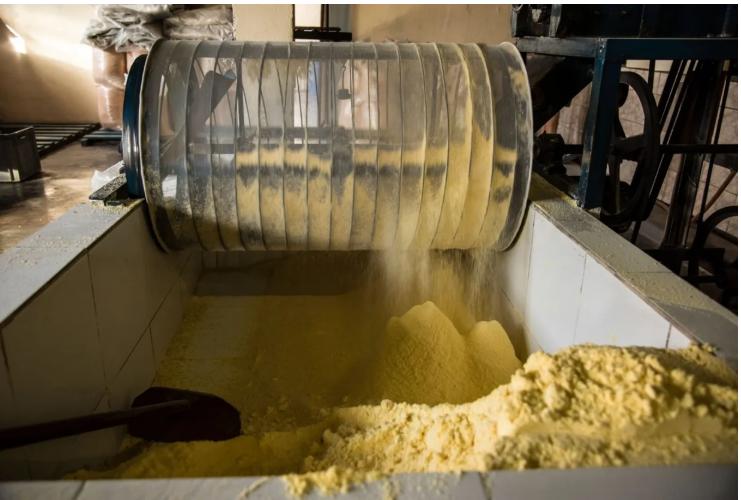
Advanced Solutions for Egg Powder Production Raj Process Equipments & Systems Pvt. Ltd. is a leading egg powder plant manufacturer in India, specializing in turnkey solutions for the production of high-quality egg powder. Our plants are designed with advanced spray drying technology to process whole egg, egg yolk, and egg white (albumen) into stable, nutritious powders that are easy to store, transport, and use across diverse food industries. Why Egg Powder? Egg powder is a nutritious, shelf-stable alternative to fresh eggs. Spray drying preserves nutritional value while extending shelf life, eliminating the need for refrigeration. Key Benefits: Easy storage and transport at room temperature Long shelf life with minimal spoilage risk Convenient for industrial-scale food production Hygienic and contamination-free processing Raj Process Egg Powder Plants Whole Egg Powder → Balanced nutrition for bakery and confectionery applications Egg Yolk Powder → Rich in fats and emulsifying properties, ideal for sauces and mayonnaise Egg White Powder (Albumen) → High-protein ingredient for sports nutrition, bakery, and pharmaceuticals Note: While egg yolk and egg white can be dried in a single spray dryer, Raj Process recommends separate dryers to ensure optimal product quality and avoid cross-contamination. Applications of Egg Powder Fast food preparations Ice creams and dairy products Cakes, cookies, and bakery items Noodles and doughnuts Confectionery and processed foods Features of Raj Process Egg Powder Plants Advanced Spray Drying Technology → Uniform particle size and high solubility Custom-Engineered Solutions → Tailored for specific production capacities Automation & Process Control → PLC/SCADA-based monitoring for precision and hygiene Energy-Efficient Designs → Optimized drying systems reduce operational costs Compliance-Ready Systems → Meets food safety and international quality standards Why Choose Raj Process Equipments? Decades of expertise in food powder plant manufacturing Proven installations across India and global markets Turnkey solutions from concept to commissioning End-to-end support including training, manuals, and after-sales service Commitment to quality, hygiene, and sustainability Egg powder production is a cost-effective and sustainable solution for the food industry, and Raj Process Equipments ensures every plant delivers consistent quality, efficiency, and reliability.

6814772a5d263414004dd4a4 Card 2

product image
Food processing plant

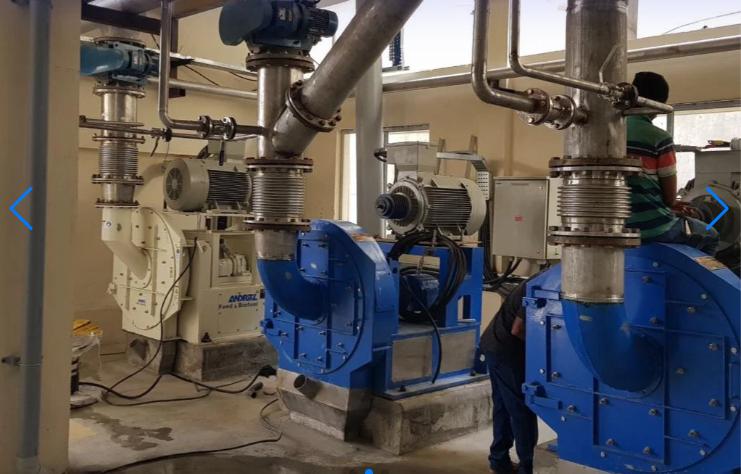
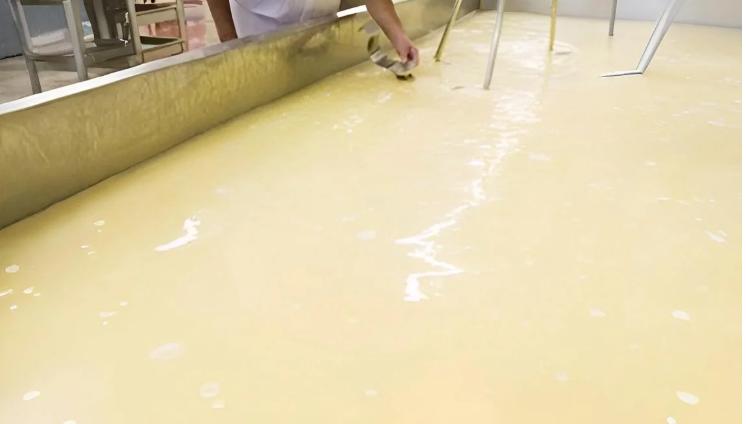
Advanced Solutions for Whey Processing & Resource Recovery Raj Process Equipments & Systems Pvt. Ltd. is a leading whey processing plant manufacturer in India, offering turnkey solutions for the efficient recovery of proteins, fats, lactose, and minerals from whey. With decades of expertise in food processing technologies, we design plants that maximize product quality, reduce waste, and create value-added products such as whey protein concentrate, condensed whey, and whey powder. Why Whey Processing Matters Whey is a by-product of cheese and casein production, rich in proteins, lactose, and minerals. If discharged untreated, whey can cause environmental challenges due to its high biological oxygen demand (BOD). By processing whey, industries can: Recover valuable proteins and fats Produce high-quality whey powder for food and feed applications Reduce environmental impact and comply with wastewater norms Create new revenue streams from by-products Raj Process Whey Processing Plants Our plants are designed to separate and recover protein, fat, lactose sugars, and salts from whey streams, while managing low-value permeate efficiently. Key Features: Protein Recovery → High-quality whey protein concentrate for food and nutraceuticals Fat Separation → Valuable fat fractions for dairy and food industries Lactose & Sugar Recovery → Used in confectionery and fermentation industries Permeate Management → Efficient treatment of whey permeate with reduced BOD Applications of Whey Products Food Industry → Confectionery, bakery, dairy products, beverages Nutraceuticals → Protein powders and supplements Animal Feed → Nutrient-rich whey powder for livestock Pharmaceuticals → Lactose and protein derivatives for formulations Technology & Process Flow Tricanter & Centrifuges → Efficient separation of solids, fats, and proteins Evaporation Systems → Concentration of whey streams Spray Drying → Production of high-quality whey powder Membrane Filtration → Protein and lactose recovery Energy Optimization → Integrated systems for reduced operational costs Why Choose Raj Process Equipments? Proven expertise in turnkey dairy and whey processing projects Advanced engineering for high recovery and product consistency Custom-designed plants for specific feedstocks and capacities State-of-the-art automation with PLC/SCADA monitoring End-to-end support including installation, commissioning, and after-sales service The Raj Process Advantage By combining process expertise, advanced technology, and sustainability-driven design, Raj Process delivers whey processing plants that balance economics, efficiency, and product quality. Our solutions help industries transform whey from a waste stream into a profitable resource.

6814772a5d263414004dd4a4 Card 2

product image
Food processing plant

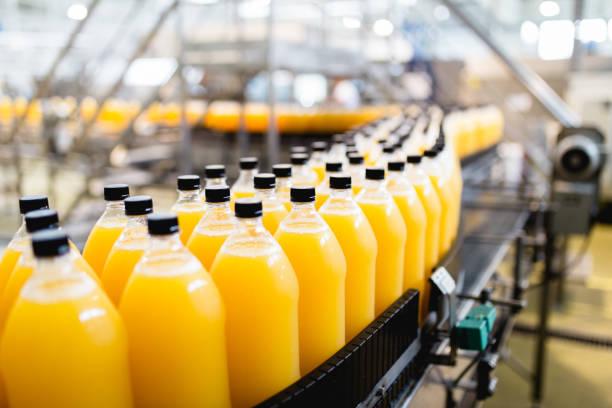
Raj Process Equipments & Systems Pvt. Ltd. is a leading fruit juice processing plant manufacturer in India, offering turnkey solutions for processing a wide range of fruits including mango, guava, papaya, pineapple, grapes, citrus fruits, pomegranate, and bananas. Our plants are designed to convert fresh fruits into purees, concentrates, and powders, ensuring maximum product quality, efficiency, and shelf life. Why Choose Raj Process Fruit Juice Plants? Expertise in Fruit Processing → Decades of experience in juice, concentrate, and powder production. Well-Planned Layouts → Optimized for maximum quality and higher production value. Spray Drying Technology → Extends shelf life, reduces storage requirements, and lowers packaging costs. Resource Optimization → Unique features like Thermos Syphon Heating and Zero Effluent Discharge Systems for higher productivity and sustainability. Applications of Fruit Juice Powders Fruit juice powders produced in Raj Process plants are widely used in: Sandwich cookies and biscuits Instant soups and ready-to-drink mixes Health foods and nutritional supplements Jellies, puddings, and bakery items Ice cream mixes and dairy products Breakfast cereals and confectionery Flavorings in medicine and dietetic foods Features of Raj Process Fruit Juice Plants Fully Automatic Systems → Smooth and easy operation Sterile Construction → Maintains high hygiene standards Energy-Efficient & Cost-Effective → Optimized drying and concentration systems Compact Layouts → Minimal space requirements High-Class Materials → Stainless steel and specialized constructions Complete Sanitary Design → Integrated CIP (Clean-in-Place) system Automation & Control → PLC-controlled, SCADA-operated systems for precision monitoring Why Raj Process Equipments? Proven expertise in fruit juice and concentrate plant manufacturing Custom-engineered solutions for specific fruits and production capacities Advanced manufacturing facilities with strict quality control Global footprint with installations across India, Southeast Asia, Africa, and South America End-to-end support including installation, commissioning, training, and after-sales service Raj Process Equipments delivers future-ready fruit juice processing plants that help industries achieve higher yields, superior product quality, and sustainable operations.

Subcategory Tags

Phone Number

08048032974

Please keep 0 before dialling the number.

Email Address tejas@raj-india.com

Mon-Thu: 10 AM - 2 PM • Fri: 3 PM - 7AM

Address Kampala

Kampala, Central Region, Uganda, 1