Jakarta
08048032972
Food processing plant

Guar Gum Plant

In stockcod not available
Phone Number

08048032972

Please keep 0 before dialling the number.

Email Address tejas@raj-india.com

Mon-Thu: 10 AM - 2 PM • Fri: 3 PM - 7AM

Address Jakarta

Jakarta, Jakarta, Indonesia, 1

Description

Raj Process Equipments & Systems Pvt. Ltd. is a prominent name among guar gum plant and split plant manufacturers in India, specializing in the design and manufacturing of split plant equipment for industries such as chemical processing, pharmaceuticals, and food processing. With a strong focus on innovation, precision engineering, and durability, Raj Process delivers customized solutions that ensure efficiency and high-quality output. Why Guar Gum Processing Matters Guar seed, also known as cluster bean, is a versatile crop with significant industrial and nutritional applications. The seed yields three main products: Guar Split → Used for guar gum powder production Guar Churi → By-product used in animal feed Guar Korma → Protein-rich feed ingredient Guar gum is widely used in food, pharmaceuticals, textiles, paper, cosmetics, and oil drilling industries, making guar processing plants essential for meeting global demand. Raj Process Guar Gum Plants Our guar gum plants are designed to efficiently process guar seeds into splits and powder, ensuring consistent quality and maximum yield. Key Features: Fully Automatic Systems → Smooth and easy operation Energy-Efficient Design → Optimized steam and electricity consumption Compact Layouts → Optimal space utilization High-Class Materials → Carefully selected construction materials for durability and hygiene Special Aseptic Design → Ensures sterile conditions for food and pharma-grade production Automation & Control → PLC-controlled, SCADA-operated systems for precision monitoring Turnkey Solutions Raj Process offers complete turnkey solutions for guar gum plants, handling the entire process from design and engineering to installation and commissioning. This ensures: Seamless integration of all components Faster implementation with reduced downtime Cost-effective operations with high reliability Fully operational systems tailored to client requirements Why Choose Raj Process Equipments? Proven expertise in split plant and guar gum manufacturing projects Advanced engineering for high recovery and product consistency Strong reputation for quality, durability, and innovation End-to-end support including installation, commissioning, training, and after-sales service Continuous R&D to enhance product performance and efficiency Raj Process Equipments delivers future-ready guar gum plants that help industries achieve cost efficiency, superior product quality, and sustainable operations.

Keywords

Other Products

view all

6814772a5d263414004dd4a4 Card 2

product image
CBG

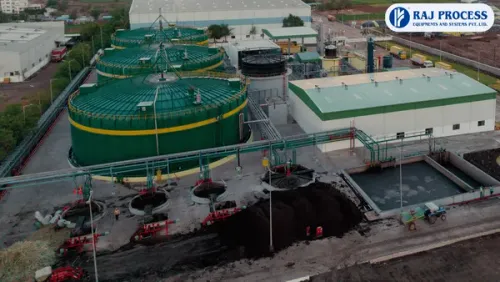
Raj Process Equipments & Systems Pvt. Ltd. is a pioneer in compressed biogas (CBG) technology, offering patented solutions for biogas generation and purification. As one of India’s leading CBG plant manufacturers, we deliver turnkey systems that convert organic waste into high purity compressed biogas — a sustainable, eco friendly fuel for the future. Aligned with national initiatives like SATAT and GOBARdhan, Raj Process is driving India’s clean energy transition by designing and executing next generation CBG plants across the country and globally. Organic Waste In. Clean Fuel and Fertilizer Out. Compressed Biogas — commonly called Bio-CNG — is biomethane produced from the anaerobic digestion of organic waste, purified to 96–99% methane purity, and compressed to 200–250 bar for dispensing and sale. It is chemically identical to fossil CNG in energy value, calorific content, and physical properties. Every CNG vehicle on the road can run on CBG without any modification. Every existing CNG dispensing station is compatible. The process, in simple terms: Organic waste enters a sealed, temperature-controlled digester. Over 15–25 days, a carefully managed consortium of microorganisms breaks it down and produces raw biogas — typically 55–65% methane and 35–40% CO₂. This raw biogas passes through our cleaning and upgrading systems, where CO₂, hydrogen sulphide, moisture, and trace contaminants are removed. What remains is biomethane meeting IS 16087:2023 specifications. We compress it, store it in high-pressure cascade systems, and it is ready for sale to Oil Marketing Companies or direct consumers. The digestate — the solid and liquid material remaining after digestion — is not waste. It is a nutrient-rich Fermented Organic Manure (FOM) and bio-slurry that sells as a premium organic fertilizer, adding a second revenue stream to your plant from day one. One plant. One waste problem solved. Two revenue streams generated. That is the CBG business model. FEEDSTOCKS The feedstock landscape for CBG production in India is broad. We have designed and commissioned plants running on: Napier grass and dedicated energy crops Press mud from sugar mills Cattle and cow dung Distillery spent wash — molasses based and grain-based Municipal solid waste (organic fraction) Poultry litter Food processing effluents Fruit and vegetable market waste Rice straw and wheat straw Sugarcane trash and bagasse Sewage sludge Biogas yields across these feedstocks range from 30 m³ per tonne for cattle dung to 350–400 m³ per tonne for high-fat food waste. The differences are not just in yield — each feedstock brings its own pre-treatment requirements, C:N ratio considerations, sulphur loading, and digester design implications.

6814772a5d263414004dd4a4 Card 2

product image
Industrial Dryer

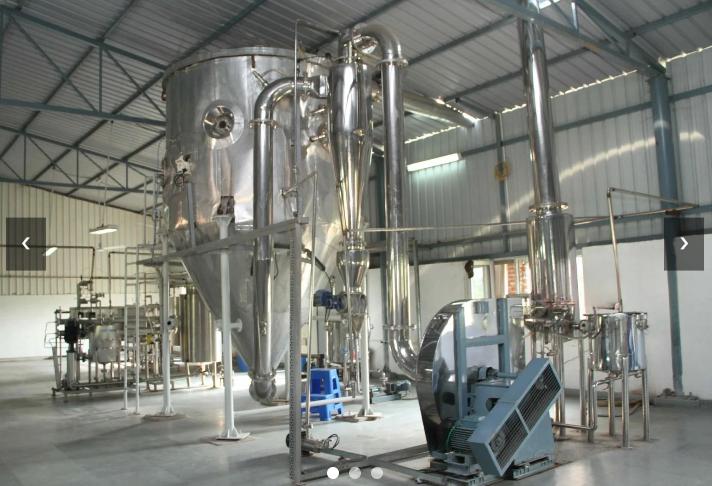
Premium Spray Drying Solutions: Engineering Excellence by Raj Process In the landscape of industrial thermal processing, Raj Process has solidified its reputation as the premier spray dryer manufacturer in India. Our systems represent the pinnacle of liquid-to-powder conversion technology, offering unparalleled efficiency for diverse industrial sectors. The Science of Spray Drying: How It Works Spray drying is a sophisticated method of producing a dry powder from a liquid or slurry by rapidly drying with a hot gas. It is the preferred method for thermally sensitive materials because the drying process is near-instantaneous. The process follows four fundamental stages: Atomization: The liquid feed is turned into tiny droplets using a nozzle or rotary atomizer. Spray-Air Contact: The droplets meet a stream of hot air. Drying: Moisture evaporates instantly, cooling the particle as it dries. Separation: The dry powder is recovered from the exhaust air using cyclones or bag filters. Technical Specifications & Capacity At Raj Process, we engineer systems that scale with your business. Whether you are in a R&D phase or high-volume industrial production, our equipment is built to perform. Key Features of Raj Process Spray Dryers 1. Advanced CIP (Cleaning-In-Place) Systems Hygiene is non-negotiable in pharmaceutical and food processing. Our integrated CIP systems provide: Automated Cycles: Thorough cleaning without dismantling the machinery. Cross-Contamination Prevention: Essential for facilities handling multiple product lines. Reduced Downtime: Faster transitions between product batches. 2. Versatile Feed Handling Our nozzles and atomizers are designed to handle various feed types: Solutions: Clear liquids with dissolved solids. Slurries: Thick, high-viscosity liquids with suspended solids. Emulsions: Mixtures of immiscible liquids (like oil and water). 3. Precision Control We utilize advanced PLC-based control systems to monitor inlet/outlet temperatures and feed rates, ensuring a consistent particle size distribution for every batch. Industrial Applications: Where Precision Meets Scale As leading manufacturers, we serve a massive spectrum of industries. Below is a detailed breakdown of how our spray dryers are utilized: Food & Dairy Milk Powder: Transforming fresh milk into shelf-stable powders while preserving nutritional value. Fruit Pulps: Creating instant fruit powders for beverages and baking. Flavors: Encapsulating volatile flavor oils to extend shelf life. Pharmaceuticals & Biotechnology Herbal Extracts: Processing sensitive botanicals into concentrated, easy-to-dose powders. Enzymes: Gentle drying to maintain biological activity. API Processing: Precise particle engineering for drug delivery. Chemical & Mineral Detergents: Large-scale production of uniform, free-flowing washing powders. Ceramics & China Clay: Preparing fine powders for high-quality molding and glazing. Dyestuffs: Ensuring consistent color strength and solubility. Why Choose Raj Process? Choosing the right spray dryer manufacturer in India is a long-term investment. Raj Process offers: Custom Engineering: Every system is tailored to the specific thermal sensitivity and viscosity of your product. Energy Efficiency: Optimized heat recovery systems to reduce operational costs. Durability: High-grade stainless steel construction (SS316/SS304) for longevity and compliance.

6814772a5d263414004dd4a4 Card 2

product image
Industrial Dryer

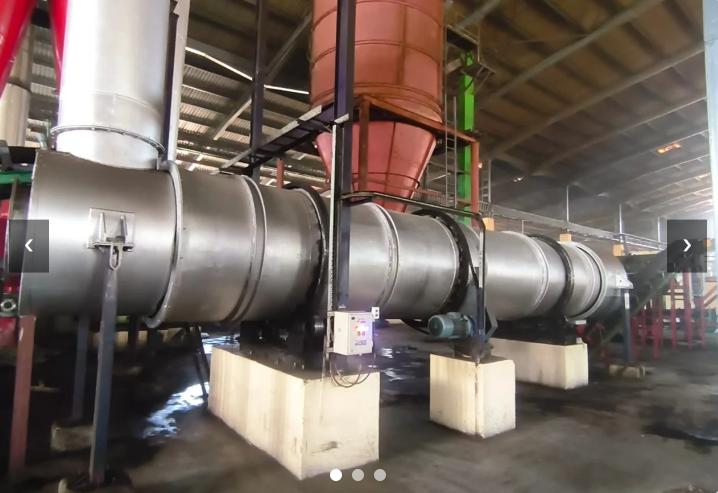
High-Efficiency Rotary Dryer Solutions: The Ultimate Industrial Guide In the modern industrial landscape, moisture control is the difference between a high-quality product and a wasted batch. As a premier Rotary Dryer Manufacturer, RAJ Process provides engineering marvels designed to handle the most challenging materials with precision, durability, and thermal efficiency. Our rotary drying systems are engineered to transform wet cakes, powders, and minerals into high-value dry products. Whether you are processing silica sand or delicate coconut powder, our technology ensures uniform drying with minimal energy consumption. 1. What is a Rotary Dryer? (Technical Overview) A Rotary Dryer is a type of industrial dryer employed to reduce or minimize the liquid moisture content of the material it is handling by bringing it into direct or indirect contact with a heated gas. The dryer consists of a large, rotating cylindrical tube, usually supported by steel beams. The dryer slopes slightly so that the discharge end is lower than the material feed end in order to convey the material through the dryer under gravity. How It Works: The Three-Step Process Feeding & Distribution: Wet material is fed into the drum. Internal “flights“ (lifting blades) pick up the material and shower it through the hot air stream. Heat Transfer: As the drum rotates, the material makes contact with heated gas. This can be done via Direct Firing (gas touches material) or Indirect Firing (heat transferred through the drum wall). Moisture Evacuation: Vaporized moisture is carried away by the air stream and filtered through a cyclone or bag filter, while the dry product exits the lower end. 2. Industry-Leading Capacity & Performance We design our systems to accommodate everything from boutique processing to massive mining operations. 3. Rotary Dryers vs. Calciners: Versatility Redefined One of the key advantages of our engineering is the ability to use these units as Calciners. Drying: Removes surface or bound moisture at lower temperatures. Calcination: Involves heating the material to high temperatures (up to 600°C) to induce a chemical change or phase transition. Because our drums are built with heat-resistant alloys, a RAJ Process Rotary Dryer can double as a calciner, making it a “two-in-one“ asset for chemical and mineral plants. 4. Strategic Advantages of Our Rotary Drying Systems A. Material Versatility Unlike flash dryers or spray dryers, rotary dryers are incredibly “forgiving.“ They can handle: Sticky Cakes: Using specialized internal chain systems to prevent clogging. Non-Uniform Sizes: From fine dust to large mineral chunks. Abrasive Solids: Reinforced shells that withstand constant friction. B. Energy Efficiency & Heat Recovery We integrate advanced heat exchangers that pre-heat the incoming air using the exhaust gas, significantly lowering the “Cost Per Ton“ of dried product. C. Customized Internal Flights The “flights“ inside the drum are the secret to efficiency. We customize flight patterns (radial, cruciform, or honeycomb) based on your material’s flow characteristics to ensure a perfect “curtain“ of material for maximum heat exposure. 5. Extensive Industrial Applications Our rotary dryers are deployed across diverse sectors. Here is how we add value to specific materials: Mineral & Construction Industry Silica Sand: Essential for glass and foundry industries. We provide high-temp drying to ensure 0.1% moisture content. Limestone & Gypsum: High-capacity drying for cement and wallboard production. China Clay: Precise temperature control to prevent discoloration. Agriculture & Food Processing Coconut Powder: Gentle drying at controlled temperatures to preserve natural oils and flavor. Bagasse: Converting sugar mill waste into high-calorie biofuel by reducing moisture for better combustion. Grain & Seed: Large-scale moisture reduction for long-term storage. Chemical & Waste Management Sludge Drying: Reducing the volume of industrial sludge for cost-effective disposal. Fertilizers: Creating free-flowing granules that don't cake during packaging. 6. Engineering & Maintenance: Built for Longevity As a leading manufacturer, we don't just sell equipment; we provide a lifecycle solution. Precision Alignment: Our technicians use laser alignment for the trunnion rollers to ensure the drum rotates with minimal vibration, extending the life of the bearings. Sealing Technology: Advanced graphite or mechanical seals prevent dust leakage and maintain thermal vacuum. Automation: Fully integrated PLC panels allow for remote monitoring of moisture levels and fuel consumption.