
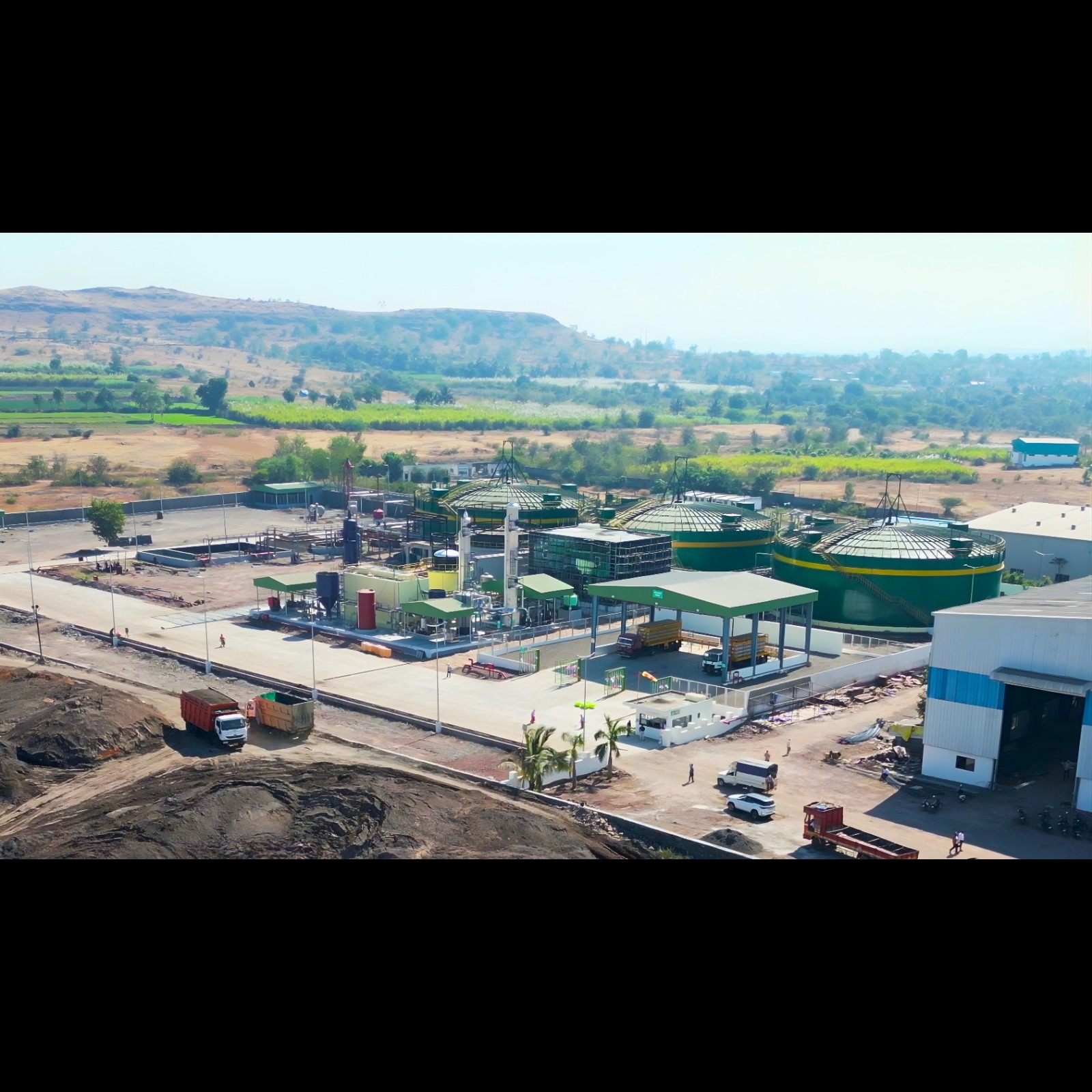
Biogas that is produced in the distillery industry usually has high levels of hydrogen sulfur (H2S) because of the anaerobic digestion process of spent wash as well as other sulfur-containing organic compounds. The amount of H2S in distillery biogas is typically significantly higher than that of traditional biogas plants. It can vary from a few hundred to or more than a thousand ppm dependent on the feedstock composition as well as process conditions.
High H2S content results in:
Extreme corrosion of pipelines and compressors, engines and boilers
The equipment's life expectancy is decreased.
Environmental and safety issues due to acidic and toxic gas creation
Low biogas quality to power generation or for upgrading applications
Therefore, H2S removal/desulfurization is essential before utilization of the biogas.
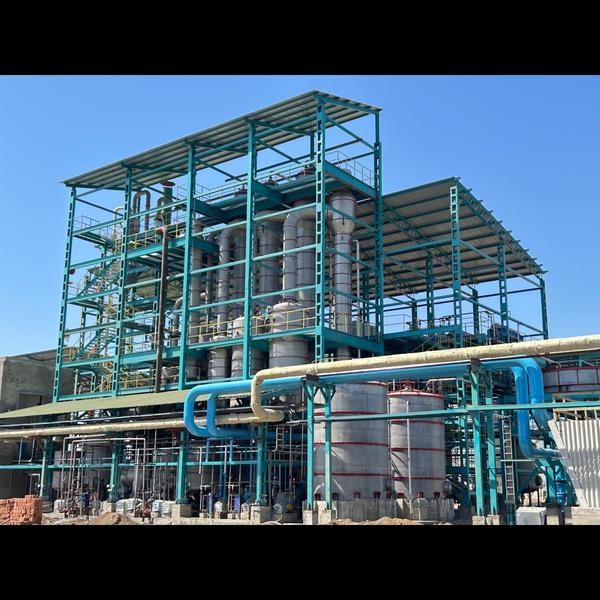
Raj Process offers the latest biochemical scrubbing technology to ensure efficient removal of H2S from biogas-based applications. Our system is a secure and cost-effective solution to treat high levels of H2S within distillery biogas.
Technological Details
Biochemical scrubbers are an process of purification of gas by biological means that is used to improve the quality of the quality of biogas by removing impurities such as CO2, H2S water along with trace contaminants by using microorganisms as well as mediums for liquid absorption.
Process Stages
1. Gas Absorption Stage
Biogas that is raw is passed through a slurry column (scrubber tower)
Pollutants transfer through the gas phase onto the liquid phase (mass transfer)
2. Biological Oxidation Stage
Microorganisms can oxidize H2S dissolved in the environment.
Principal bacteria Thiobacillus, Beggiatoa
3. Regeneration of Scrubbing Liquid
The circulation of liquids rich in nutrients helps maintain the microbial activity
Maintains the stability of pH and maintains stable redox conditions
Key Reactions
Partial oxidation
H2S + 1/2O2 - S0 + H2O
Complete oxidation
H2S + 2O2 - H2SO4
Methane production (biogas the core reaction):
CO2 + 4H2 - CH4 + 2H2O
2. Advantages
a. Technical Advantages
High removal effectiveness from H2S
Enhances methane levels in addition to calorific value
Stable performance in continuous operation
Effectively works for biogas streams with high moisture
b. Economic Advantages
Consumption of chemicals is low.
Lower operating and maintenance costs
Cost-effective operation for the long-term in distillery plant
c. Environmental Advantages
Converts harmful H2S to elemental sulfur, generating additional revenue via sulfur recovery and sales.
Reduces greenhouse gas emissions
Produces biomethane that is cleaner (Bio-CNG quality)
d. Operational Advantages
Simple design of the system and simple integration
Ideal to be used in large distillery biogas plant
Sludge production is low compared to chemical scrubs